


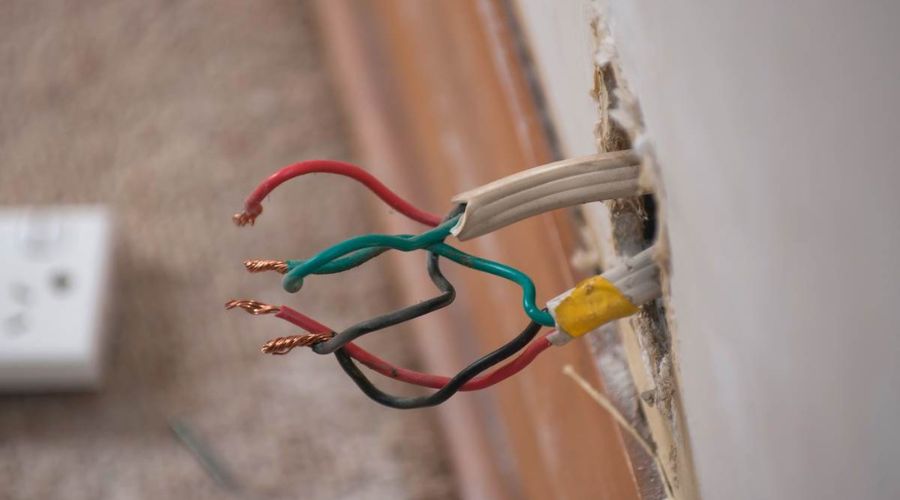
How to Spot Faulty Electrical Wiring at Home
Faulty wires in a home can lead to hazardous risks – from fires, shocks, electrocution, and more. In order to prevent these dangers, it’s essential for homeowners to identify the symptoms of wiring problems and schedule professional repairs as soon as possible.
In this blog, electricians provide tips on what property owners can look for to indicate faulty wiring, including frequently blown fuses or tripped breakers, hot or scorched outlets, and burning smells or buzzing sounds.
Frequently Blown Fuses or Tripped Circuit Breakers
One of the most apparent signs that can indicate to homeowners they need to have their wiring inspected is frequently blown fuses or tripped circuit breakers. A tripped circuit breaker and blown fuse occur to prevent overloading and can alert property owners to a problem in their wiring system and the circuit.
The circuit breakers will trip, and fuses will blow to cut power and limit the risks, preventing fires or other major dangers to a home and its residents. If a household starts to experience these issues frequently, they need to schedule an electrical inspection and repairs as soon as possible.
Hot or Scorched Outlets
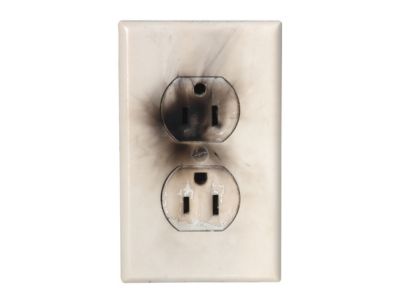 If homeowners notice electrical outlets are warm when they plug in electrical devices or see scorch marks, it can signal an issue with their wiring system. Some other signs that occur with an outlet that property owners need to be aware of that can indicate faulty wiring are:
- Warmth or heat coming from the outlets.
- Discoloration around the outlet or on the outlet cover due to overheating.
- Sparks come from the outlet when plugging in or unplugging a device.
- Flickering lights when an item is plugged into an outlet.
Property owners must immediately call an electrician to inspect the wiring and outlet problems. These can cause fires, shocks, and electrocution, so households need to have them repaired quickly to restore home safety.
Buzzing Sound or Burning Smell
 Another sign of faulty wiring property owners should be aware of is burning odors or buzzing sounds coming from outlets. Burning smells can indicate an overloaded circuit, loose wiring connection, or short circuit. It can also signal overheating or an electrical fire in the system.
Buzzing sounds coming from outlets or wiring can also be a symptom of loose wiring or loose connections, vibrations in the wiring, faulty electrical devices, and fluctuations in the voltage. If a homeowner notices any of these symptoms, they must schedule an appointment with an electrician as soon as possible. Electrical issues cannot be delayed – they can lead to serious problems and dangerous risks for households.
About ICT Electric
ICT Electric has more than 30 years of experience serving Rhinelander and the surrounding areas. They offer flat rate pricing, an on-time guarantee, and a satisfaction guarantee. Call them today for wiring repair and replacement in Rhinelander, WI.

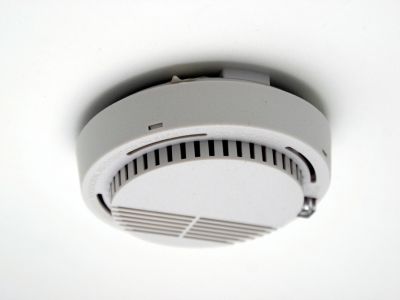 An essential electrical device for homes is a
 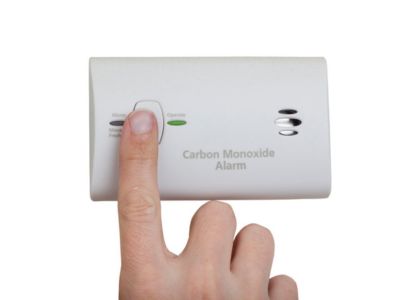 While most households ensure their smoke detectors are working correctly, it’s also crucial to have
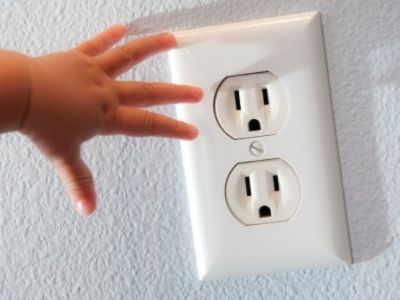 While some might wonder, “What are tamper-resistant outlets?” These devices can be essential to families.
 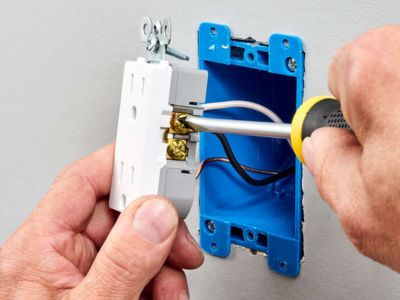 To keep children protected, homeowners need to replace childproof outlets at the first signs of an issue. These signs of trouble with outlets also apply to outlets that aren’t tamper resistant. If homeowners notice these signs, they should schedule services with an electrician to replace the outlets. Some symptoms that can indicate outlet replacement services are needed include:
 The following lights are typically installed outside for decoration and atmosphere purposes:
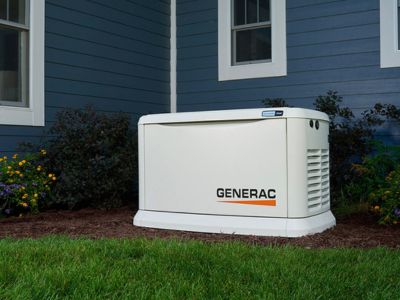 When heavy thunderstorms or another electrical event occurs, homes can risk losing power. These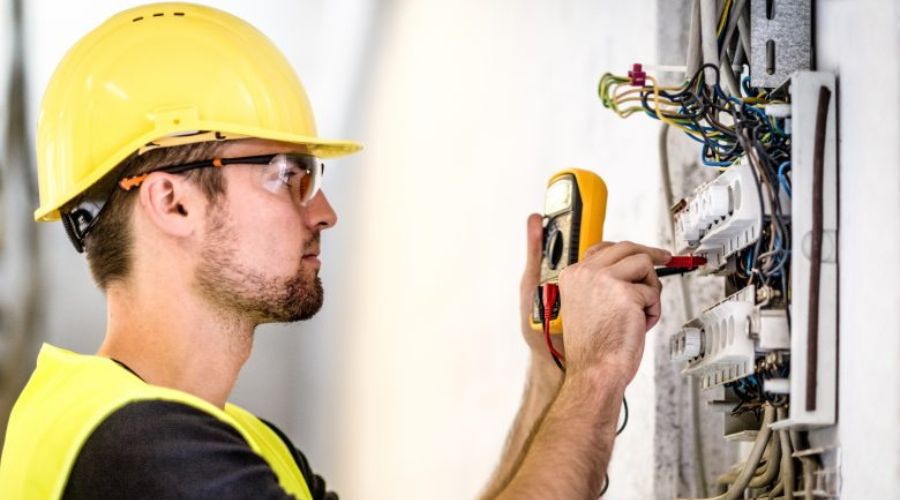
 It’s essential to have electrical safety devices throughout a property to protect a household or business. Some common ones people should ensure are installed and functioning correctly are:
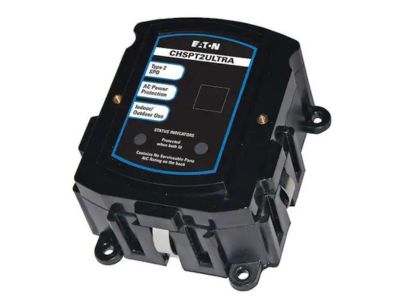 When checking an electrical system, ensure the home or business is protected against power surges. A power surge is an unexpected increase in voltage, and if it’s strong enough, it can damage electronic devices plugged in throughout the home or business. Power surges may be caused by several events, such as lightning strikes, utility switching operations, and downed power lines. Sometimes, even normal operations of large appliances can cause minor surges.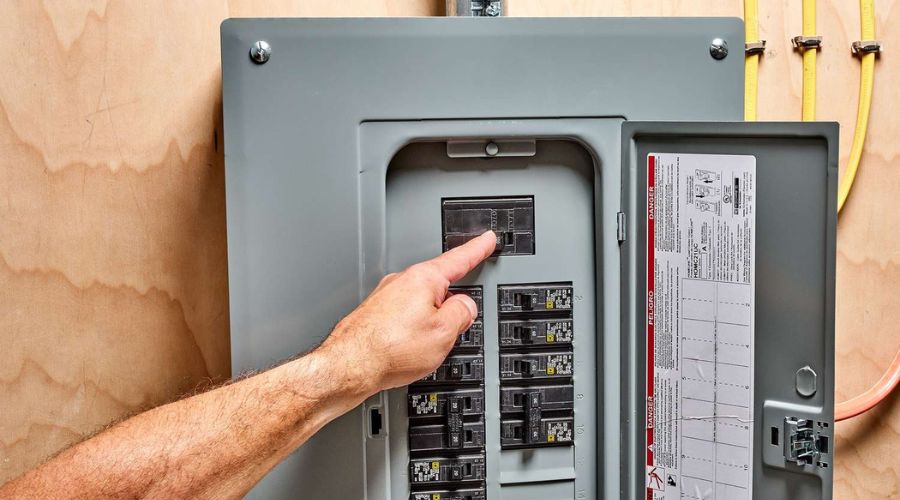
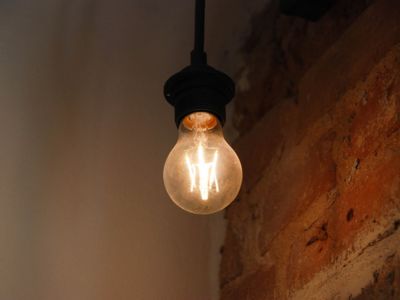 A light bulb replacement often follows dim or flickering lights in the house for a good reason. A dim or flickering light bulb might mean it has reached the end of its lifespan and needs to be replaced. There are some instances, however, when even a new bulb still doesn’t seem to solve the problem. If this is the case, it can indicate a problem with the
 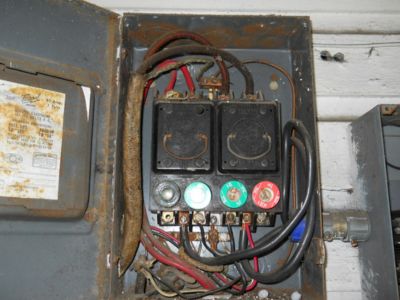 Electrical panels can last a long time, anywhere from
 Installing
  Many homeowners don’t know about a phenomenon called “phantom power.” Imagine a space heater plugged into an outlet, but it’s not on. Even though the appliance isn’t on, it still consumes energy and costs money. To reduce phantom energy, homeowners should